Take some time out for self reflection
 Liz Makin
Do you ever step back to reflect on your life, what you are thinking and feeling and what really matters to you? Why not try self reflection?
What is self reflection?
Self reflection is taking a step back, being introspective and widening your perspective about what really matters to you. When you are more self aware and have a better understanding of yourself, you can make changes to be more effective, happier and successful. Self reflection is a fundamental element of learning, as only by reflecting on experiences will you be able to learn and move forward. You can reflect on yourself in your life, at work, in the roles you play, in your relationships and in many other ways.
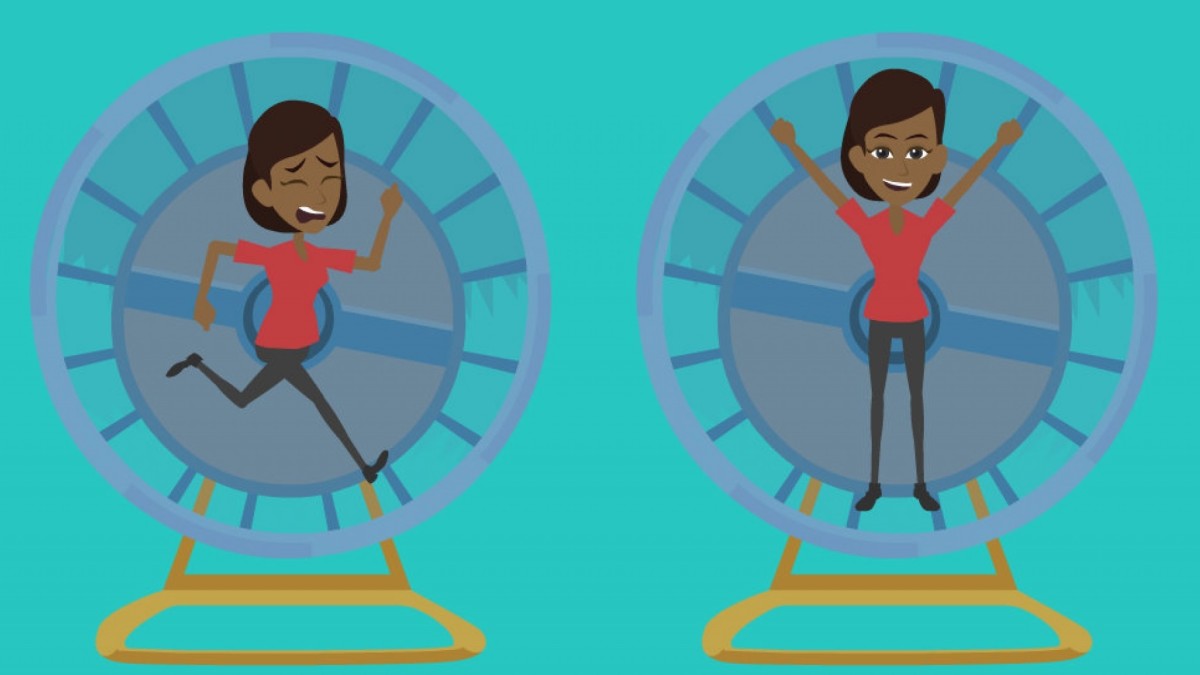
Without self reflection, you will go through life moving from one thing to the next trying to keep your head above the water.
How can you self reflect?
I thought it would be useful to outline some ways to increase your self reflection:
1. Allow time for self reflection. Schedule in time to self reflect. This will enable you to notice your thoughts and feelings and become aware of your internal stories. By self reflecting you will move from reacting in the moment to responding thoughtfully and with intention.
2. Raise your self awareness. Through self awareness you will notice, identify and understand your feelings, thoughts, behaviours and physical state and observe the patterns of your mind, body and behaviour. To start practising self awareness regularly check in and ask yourself: What emotions am I feeling? What am I thinking? What am I telling myself? What am I doing or wanting to do as a consequence of how I think and feel?
3. Awaken your curiosity. Curiosity is active interest, a journey of discovery and genuinely wanting to know more. It is very helpful in self reflection as it enables you to look at things from different perspectives, ask questions and become more creative. Curiosity is about noticing, observing, asking questions, exploring, being open and flexible and being creative.
4. Calm down. By becoming calm you will get to a better state for self reflection. Try relaxation practises like yoga, meditation, mindfulness and breathing exercises that calm your mind, as well as interests and hobbies, like listening to music, cooking, going for a walk and reading a book.
5. Notice patterns. Look for patterns in your feelings, thoughts, behaviours and physical state to improve your self reflection and understand yourself better. Observe yourself from a neutral view point and become aware of how your mind, brain and body work and what patterns occur.
6. Ask open questions. Some questions to get you started include: What is going well? What is not going so well? What can I do differently? You can then move onto wider questions like: What am I happy about? How am I getting on at work? What am I avoiding? As you become more comfortable with self reflection, you can then ask more challenging questions such as: What am I grateful for? What do I value in life? What is my purpose in life?
How are you going to introduce more self reflection into your life and work?
Do you want to learn more about soft skills?
If you want to learn more about soft skills why not take our online soft skills course
Soft Skills for life & work: develop yourself for success
Through this course you will gain an insight into the essential soft skills and how you can use them, look at your own soft skills and identify the areas where you want to improve, be given a range of soft skills tools, tips and strategies to use for personal development and success in your life and at work and create a personalised soft skills action plan to develop your soft skills going forward.
You can take a look at our range of online personal development courses and bundles, including current special offers, at https://onlinecourses.makinithappen.co.uk
Categories: : Online courses, Personal development, Self reflection, Soft skills
Sign up to our mailing list & receive our FREE tip sheet
What are the most important soft skills for success in today’s world?
You will also receive online course special offer emails & information on new online courses & bundles